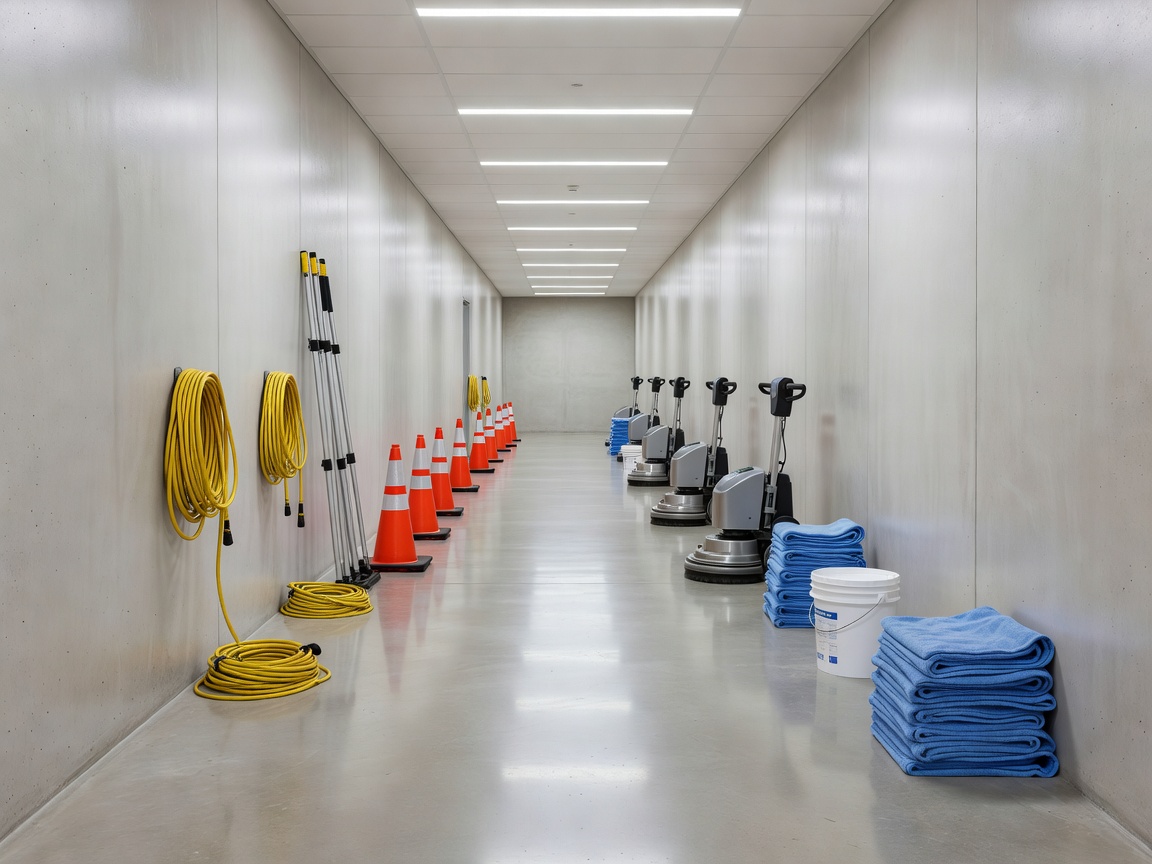
01 / FACILITY CARE
Facility Maintenance
Keep entrances, shared spaces, service corridors and building fabric in dependable working order.
View facility maintenance →THE RETAIL OPERATIONS DESK
A clear, coordinated approach to facility care, building systems and planned maintenance for shopping centers, retail complexes and commercial properties.
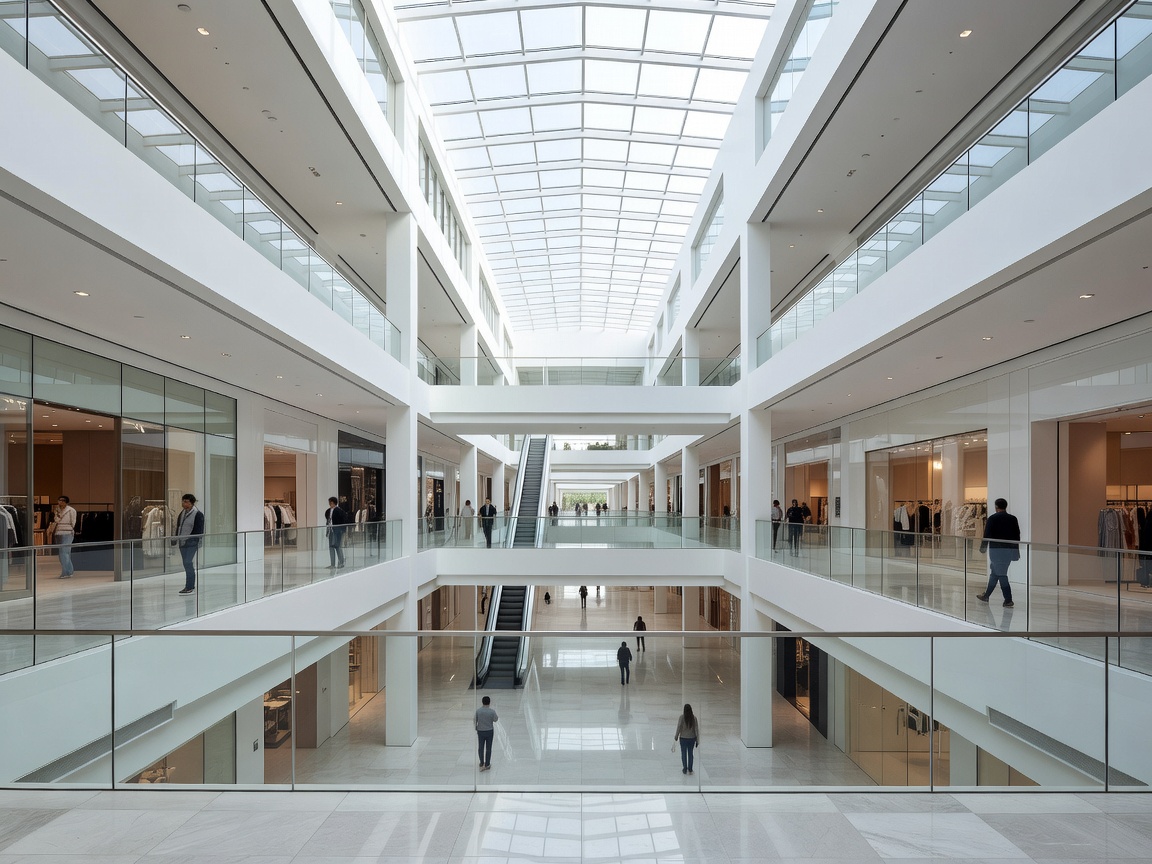
CAPABILITY MAP
Shopping centers are connected environments. We bring visible presentation, technical systems, service access and tenant coordination into one practical operating view.
01 / FACILITY CARE
Keep entrances, shared spaces, service corridors and building fabric in dependable working order.
View facility maintenance →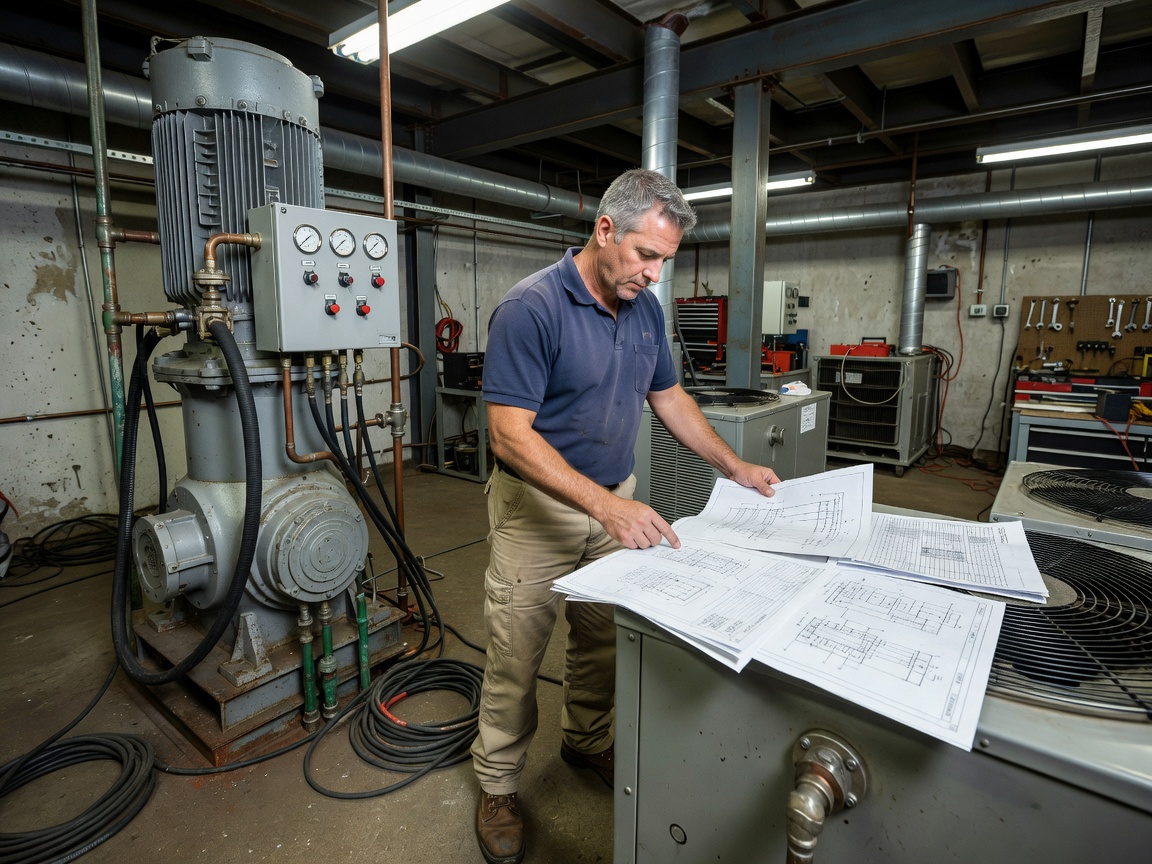
02 / PLANNING
Turn asset knowledge, inspections and recurring tasks into a plan the property team can use.
View preventive planning →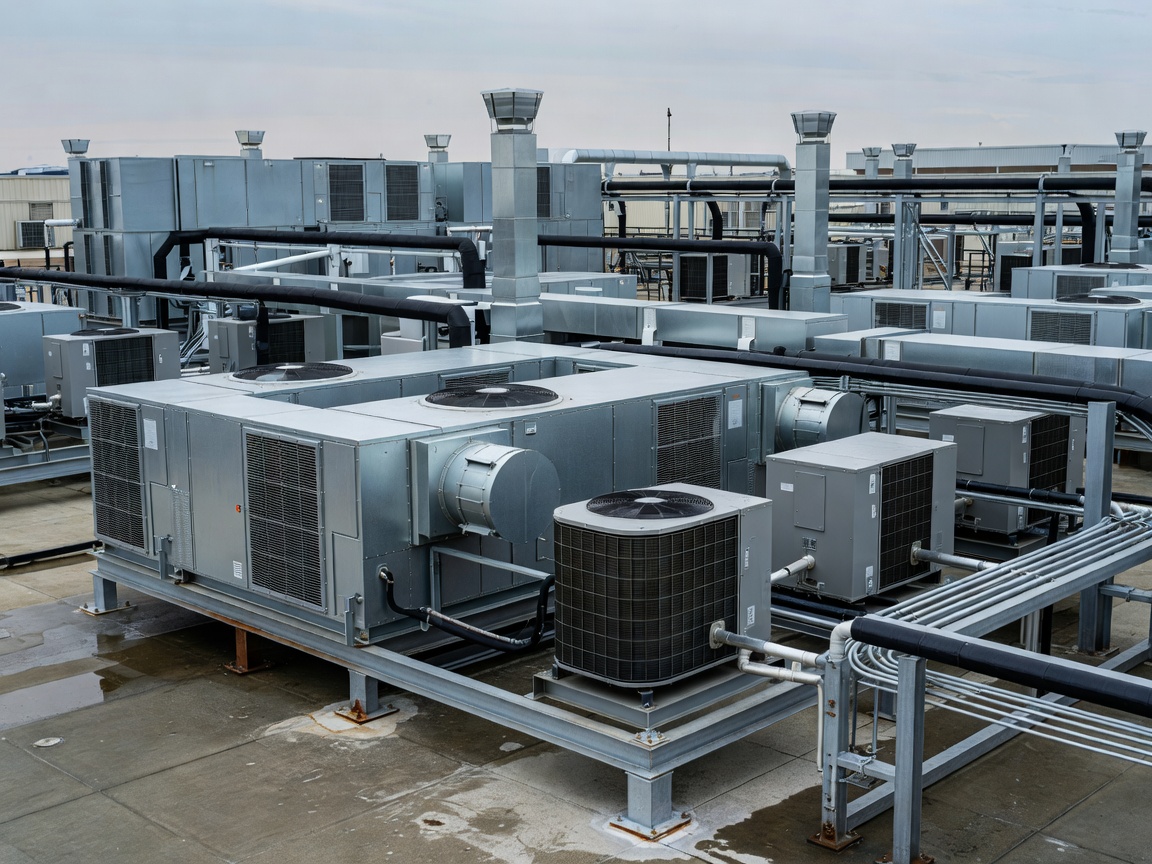
03 / SYSTEMS
Make heating, cooling, ventilation, controls and airflow concerns easier to understand and coordinate.
View building systems →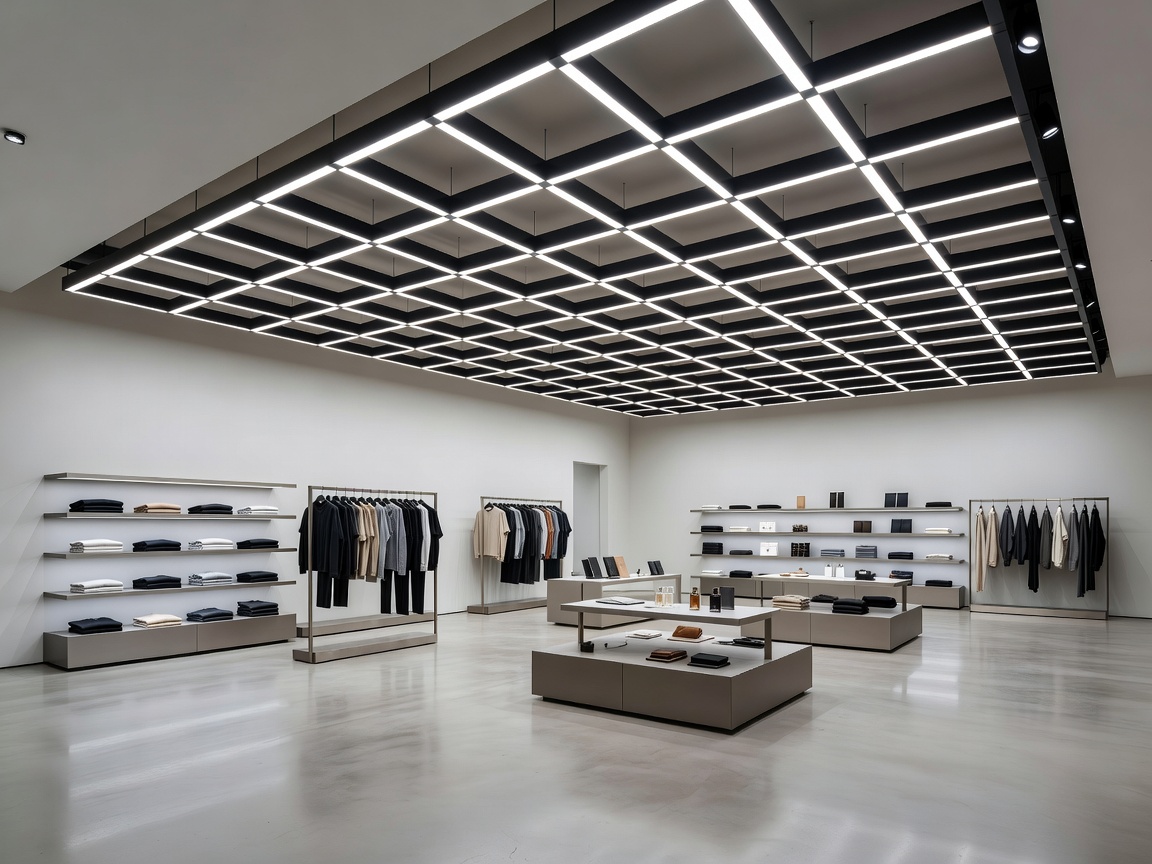
04 / ELECTRICAL
Support common-area, retail and exterior lighting through planned inspections and clear fault reporting.
View electrical and lighting →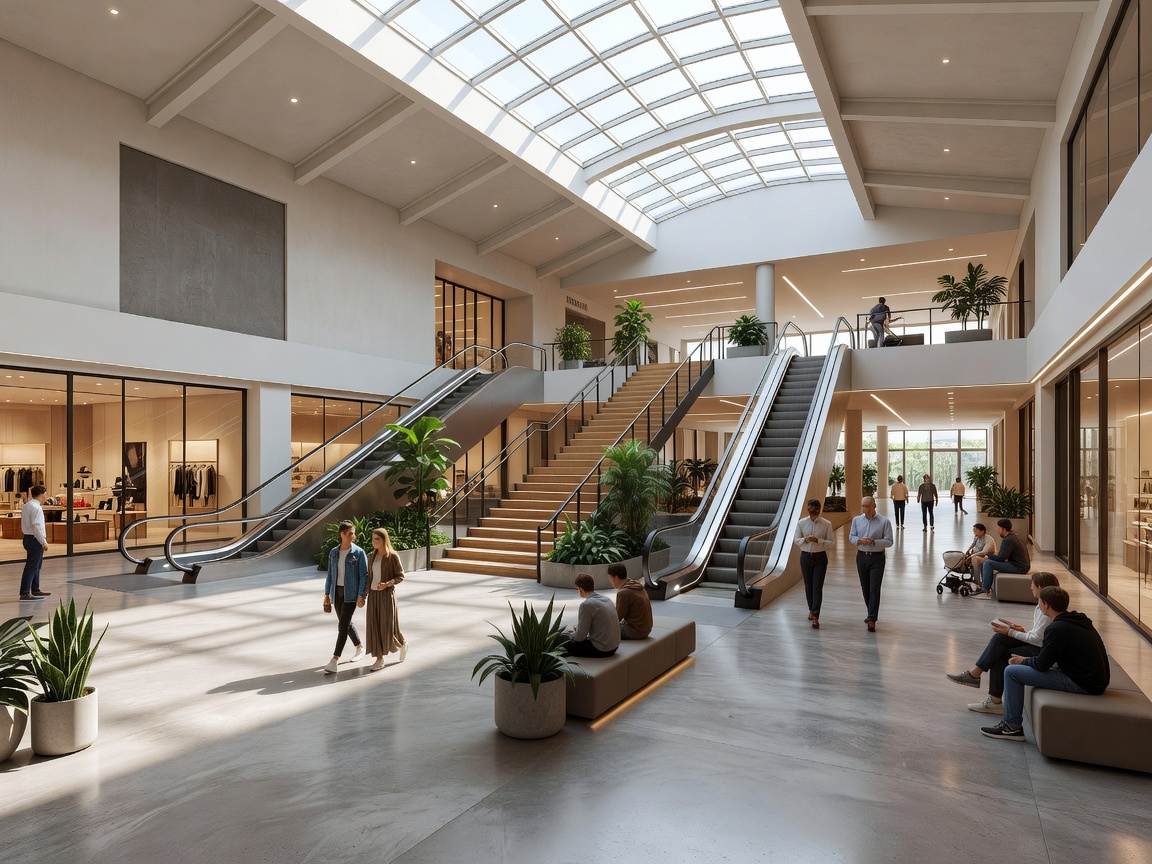
05 / OPERATIONS
Coordinate maintenance around tenants, customers, contractors, service access and seasonal activity.
View retail operations →THE MAINTENANCE CYCLE
The useful work often starts before anyone reaches for a toolbox. A steady cycle helps teams understand what is happening, decide what matters next and keep records that make future decisions easier.
Walk the property, listen to occupants and note patterns across zones and systems.
Prioritise work around condition, use, access, risk and available documentation.
Coordinate planned tasks and responsive work with suitable specialist support.
Close the loop with records, recurring-fault notes and sensible next actions.
A PRACTICAL START
Whether you are reviewing an established programme or bringing order to a busy site, the first step is a useful conversation about the property, its systems and the way people move through it.
Start a site conversation