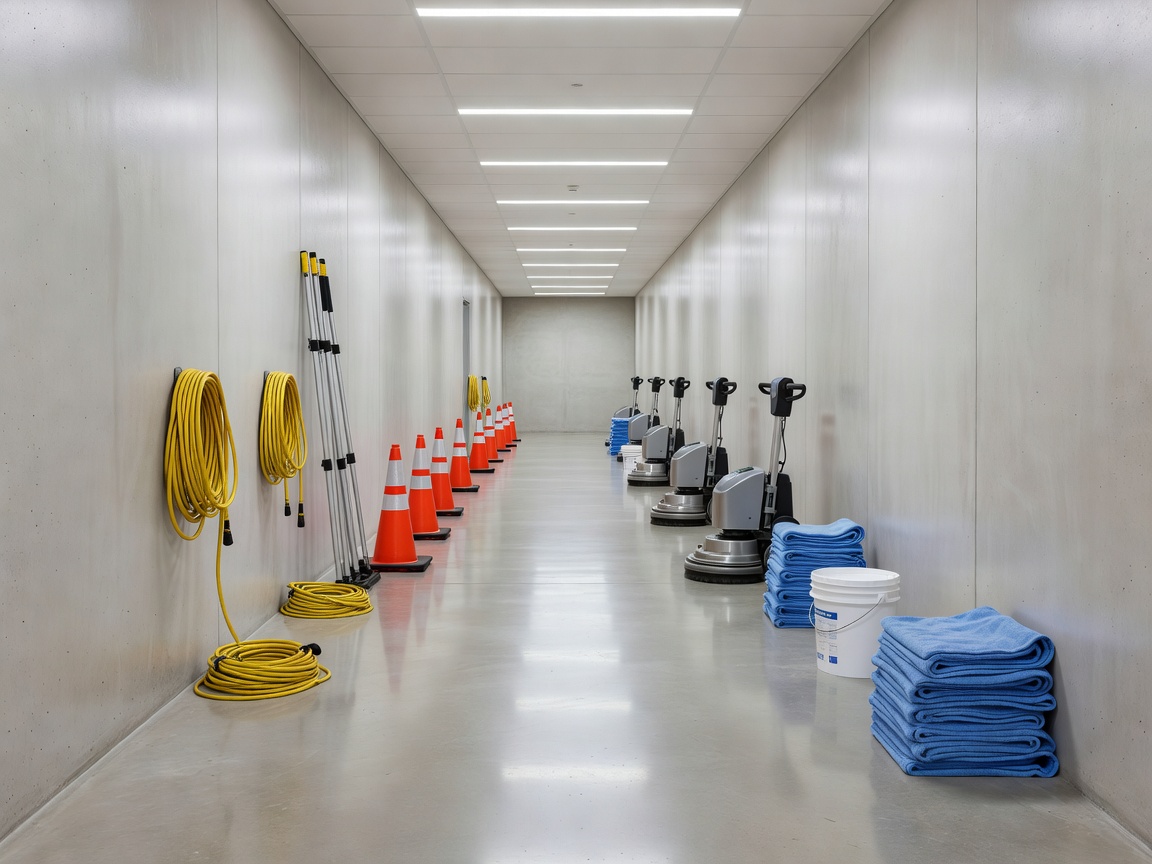
What facility maintenance really includes
Facility maintenance is the practical care of the building as people experience it and as teams use it behind the scenes. It can include common-area checks, doors and entrances, floors, ceilings, walls, washrooms, service corridors, loading areas and back-of-house spaces. It also includes the small decisions that keep a visible issue from becoming a larger interruption.
Shopping centers are busy buildings. A loose door closer, damaged floor finish or recurring leak becomes much more noticeable when customers, tenants and deliveries move through the same space every day. The answer isn't simply to react faster. It is to understand the condition, record it clearly and decide whether it needs immediate attention, planned work or specialist investigation.
Look beyond the visible defect
A mark on a ceiling may be a finish problem, or it may point to a roof, plumbing or mechanical issue above it. A difficult entrance door may need adjustment, but it may also reflect movement in the surrounding frame or heavy use. Good facility care asks what is happening underneath the visible symptom before a repair is closed.
Common-area maintenance benefits from regular walks through customer routes, tenant edges and service areas. These checks can cover entrance hardware, glazing, flooring transitions, ceiling tiles, wall protection, signage supports and the condition of service doors. The exact scope should reflect the building, its use and the instructions supplied for installed equipment.
Planned, reactive and coordinated work
Reactive work deals with an issue that has already appeared. Planned work is arranged before a known task becomes urgent. Both have a place. The useful distinction is whether the team can learn from the reactive event and decide if an inspection, replacement plan or recurring check is needed.
Retail-unit coordination matters because work rarely happens in an empty building. Access may need to be agreed with a tenant, noisy work may need to avoid trading periods and contractors may need a route that keeps customers away from tools and materials. A simple work note should explain the location, observed condition, access needs, urgency and next action.
Records make the next decision easier
Maintenance records don't need to be complicated to be useful. Dates, locations, photographs, reported symptoms, actions taken and follow-up requirements can create a dependable history. That history helps distinguish a one-off defect from a recurring facility issue and supports sensible conversations with property teams and qualified contractors.
Meadows Mingle Rush Operations Ltd is a fictional company concept, not a verified real-world business. We use this site to describe a calm, practical approach to shopping-center maintenance. Specialist work should always be assessed and completed by appropriately qualified personnel.