More than heating and cooling
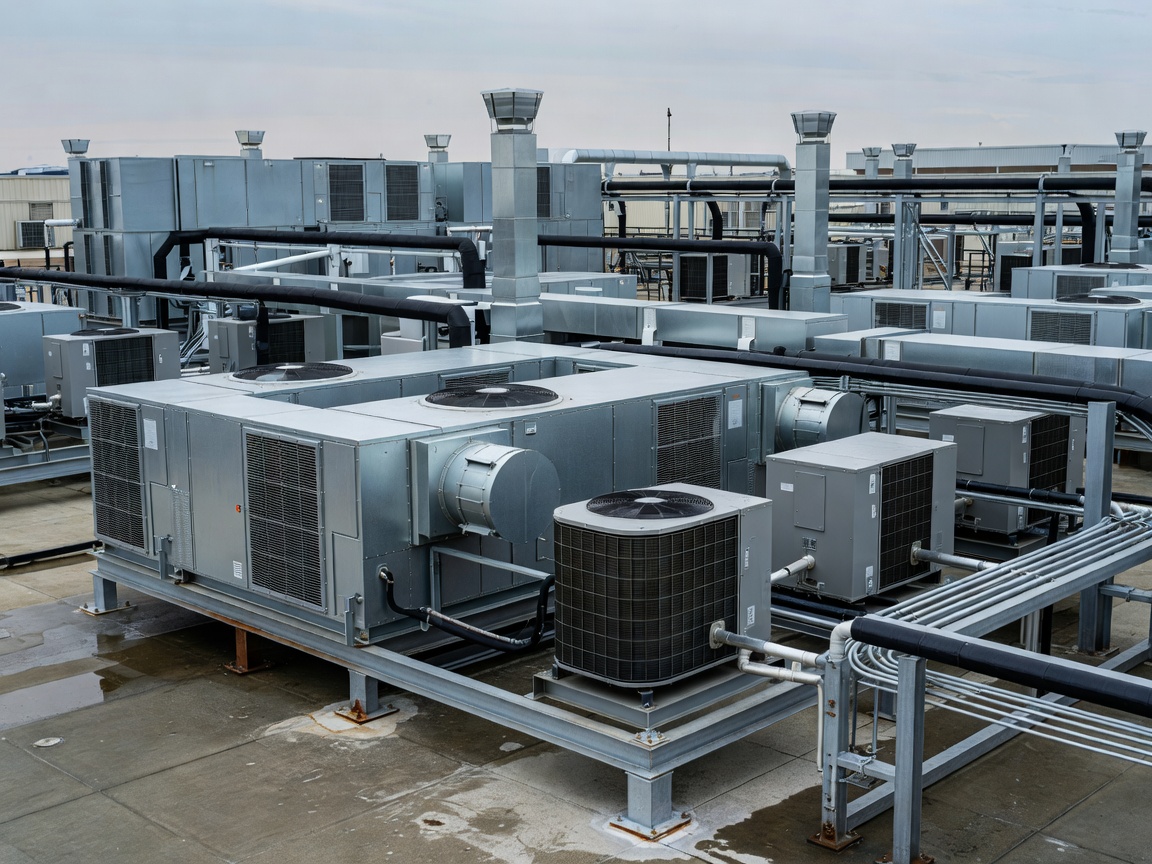
Building systems can include heating and cooling equipment, ventilation, air-handling units, pumps, controls, filters and the sensors that help coordinate them. In a shopping center, these systems may serve different zones with different opening hours, occupancy patterns and comfort expectations.
That is why a temperature complaint isn't automatically a thermostat problem. It might relate to airflow, a filter condition, a control setting, a door being left open, a localised equipment issue or a difference between areas. The first useful step is to record where and when the concern occurs, who noticed it and whether it repeats.
Plain-language checks and records
Good maintenance documentation can describe equipment location, observed condition, controls, recent work, reported symptoms and follow-up requirements. It can also note which tasks need a qualified specialist. Filters, belts, coils, pumps, fans and control points should be handled according to the equipment instructions and the competence of the person carrying out the work.
Building automation systems can make a large property easier to observe by bringing readings, schedules and alarms into a shared interface. They don't remove the need for site knowledge. A displayed value still needs to be considered alongside the building's use, weather, access, sensor position and occupant feedback.
Seasonal preparation
Before a change in season, property teams may review previous complaints, outstanding work, plant access, controls, drainage, filters and the availability of specialist support. The precise scope depends on the installed equipment and site conditions. A seasonal review is an opportunity to identify uncertainties rather than an invitation to improvise repairs.
When several tenants report a similar concern, mapping those reports by zone can be helpful. A pattern may indicate a shared system or a local condition. One isolated complaint may need a different investigation. Both should be recorded without assuming a cause before the appropriate assessment is complete.
Safe coordination matters
HVAC equipment can involve moving parts, electrical supplies, pressure, refrigerants, hot surfaces and restricted access. This page is educational, not a repair guide. Do not open, bypass or work on equipment unless the task is within the person's training and authorisation. Specialist work should be completed by appropriately qualified personnel using the relevant manufacturer information and site controls.
A calm maintenance process connects occupant reports, planned inspections, contractor notes and follow-up actions. That connection makes it easier to explain what is known, what remains uncertain and what should happen next.