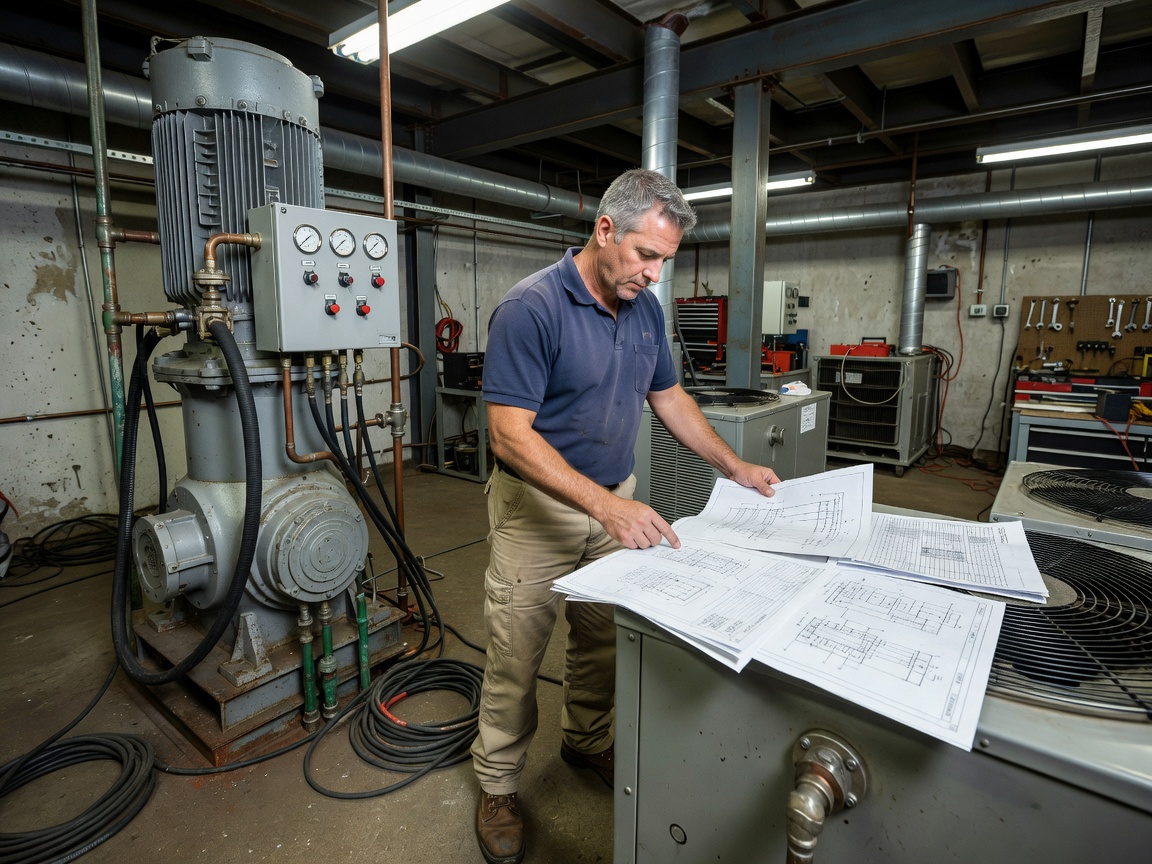
Start with an asset picture
Preventive maintenance planning begins with knowing what is on site. An asset register may include plant, controls, pumps, doors, lighting equipment, access systems, safety-support equipment and other building elements. It can also record location, condition, available manuals, responsible parties and information still needed.
There is no universal interval that suits every asset. Planned tasks depend on the equipment, manufacturer guidance, building use, environmental conditions, access arrangements and the history of faults. A responsible plan leaves room for those differences rather than copying a calendar without checking the site.
Build a schedule people can use
Inspection schedules work best when they are clear about what is being checked, who is involved, what evidence is expected and what happens when a concern is found. Some checks may be frequent visual observations; others may require a qualified contractor, specialist tools or controlled access. The schedule should make that distinction visible.
Seasonal planning is useful because heating, cooling, ventilation, water systems, external areas and entrances can experience different demands throughout the year. Preparing ahead doesn't mean assuming a fault will occur. It means creating a sensible opportunity to inspect, document and arrange work before a busy period makes access more difficult.
Priorities, work orders and budgets
Priority classification helps a team separate urgent concerns from important planned work and routine improvements. The classification should be based on the observed condition, impact on people and operations, potential for escalation, access and available professional advice. It shouldn't be used as a substitute for a proper assessment.
Work orders should carry enough context to prevent repeated site visits: the location, reported symptom, asset reference, access notes, photographs, relevant documents and requested outcome. Contractor scheduling should also consider tenant trading hours, deliveries, noise, permits and areas that must remain available to customers.
Review recurring faults
Planning is not finished when a schedule is published. Review completed work, postponed tasks, repeat callouts and defects that return after repair. A recurring fault may point to an unsuitable component, an underlying building condition, an access problem or a misunderstanding of the original symptom.
Budget planning becomes more grounded when records show both routine maintenance and likely renewal needs. That doesn't produce a guaranteed forecast, but it gives property teams a better basis for discussing timing, scope and professional advice. Building-specific decisions should always be checked against documentation and site conditions.