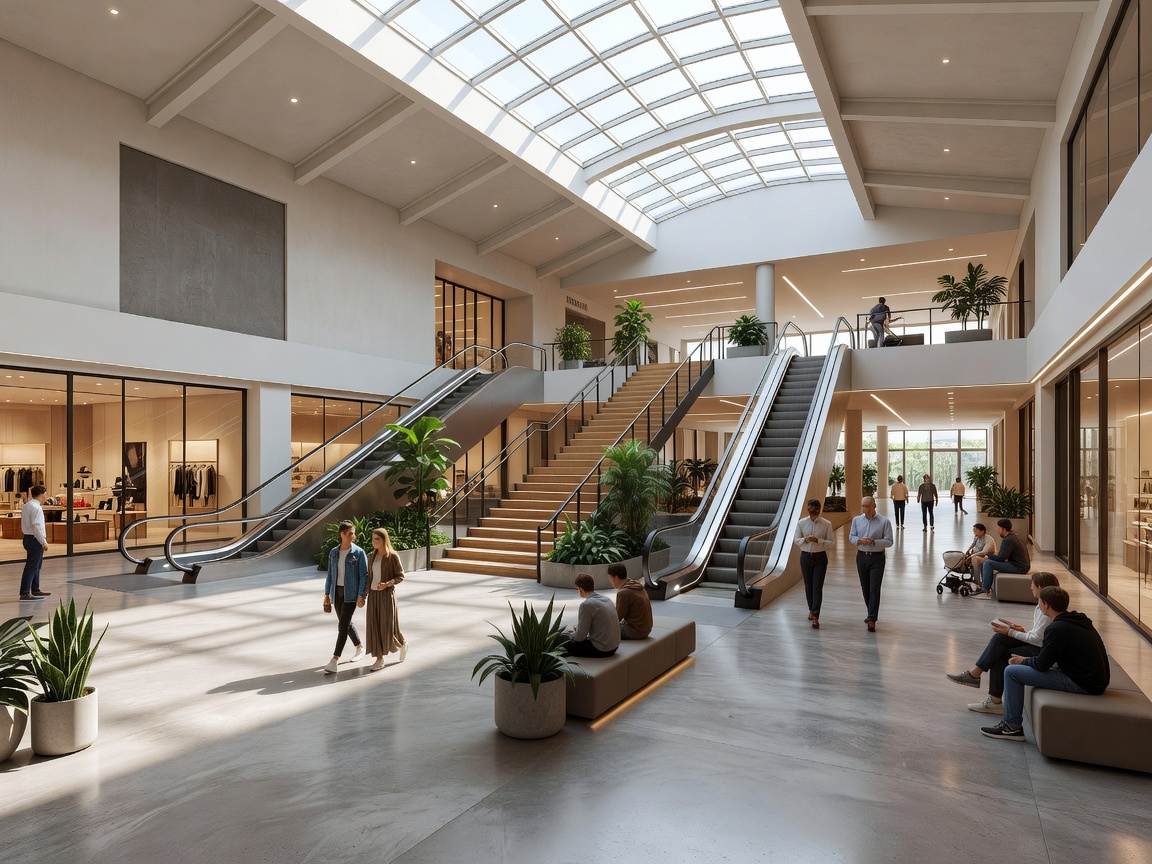
Retail buildings don't stand still
Maintenance in an active shopping center happens around opening hours, deliveries, tenant fit-outs, customer circulation, events and changing seasonal activity. A technically sensible task can still create difficulty if its access route, noise, isolation needs or customer impact have not been considered.
That is why retail complex operations connect property information with communication. Tenant contacts, service access, work locations, contractor details and agreed restrictions should be clear enough for the people coordinating the day, while leaving specialist technical decisions to suitably qualified professionals.
Plan the working environment
Customer-facing areas may need early starts, quiet methods, temporary barriers or carefully chosen routes. Back-of-house areas may offer better access but can be constrained by deliveries, storage, waste movements or shared service corridors. The right arrangement depends on the property and the task.
Contractor access planning can include arrival instructions, induction requirements, keys or escorts, loading arrangements, permits, plant-room access and a clear contact for questions. None of these replaces a risk assessment or site procedure. They simply reduce avoidable confusion.
Keep tenants in the loop
Retail-unit coordination should be straightforward and respectful. A useful notice explains the location, proposed timing, expected disruption, access requirement and contact for changes. If the work must move, communicating early is usually better than allowing a tenant to discover the change when a corridor is closed.
Maintenance records can bring these conversations together. A simple log of reports, work orders, access notes, contractor findings and outstanding actions helps reveal recurring faults. It also gives teams a shared language when a problem crosses the boundary between a tenant space and a common building system.
Seasonal operating rhythm
Retail activity changes throughout the year. Seasonal planning may cover entrance conditions, external lighting, heating or cooling demand, event layouts, deliveries and access restrictions. It should be based on the actual calendar and building conditions rather than a generic checklist.
Good operations coordination is not about making every day identical. It is about making the next decision clearer: what is happening, who needs to know, what access is possible and which qualified person should assess the technical issue. This site is an educational concept and does not provide a substitute for site-specific professional advice.